7 Knife Safety Rules That Could Save Your Hands (And Your Job)
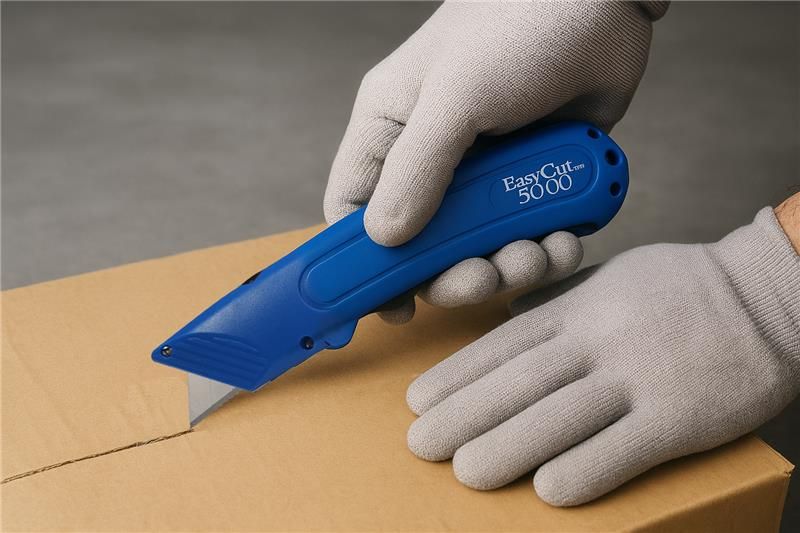
Importance of knife safety in the workplace, explaining how most knife-related injuries are preventable with proper techniques and tools. It introduces seven essential safety rules designed to protect workers’ hands, prevent accidents, and maintain productivity on the job.
by Angel Stephen
Click on below product link(s) to view more information

You probably use a knife at work every day.
And every day, there's a chance something goes wrong.
A slip. A dull blade that needs too much pressure. A coworker rushing through their shift who doesn't notice you're right there.
According to OSHA, lacerations are among the most common workplace injuries. Thousands of workers end up in emergency rooms each year because of knife accidents. Some lose fingers. Others face weeks of recovery and lost wages.
But here's the thing: most of these injuries are completely preventable.
You don't need to be scared of knives. You just need to know how to use them safely. And more importantly, you need the right tools for the job.
Let me walk you through the safety rules that actually matter—the ones that keep your hands intact and your productivity high.
Why Knife Safety Matters More Than You Think
Before we get into the rules, let's be honest about something.
You've probably gotten away with unsafe knife habits before. Maybe you've cut toward yourself. Maybe you've used a dull blade because sharpening it seemed like too much work.
And nothing happened. So why worry?
Because statistics don't care about your luck. One moment of distraction, one repetitive motion too many, and you're dealing with stitches, nerve damage, or worse.
Your hands are how you make a living. Protecting them isn't optional.
Rule 1: Proper procedures for cutting are vital for safety
This is the most basic rule, and you've heard it before.
But do you actually follow it?
When you cut toward yourself, you're gambling that the blade won't slip. And blades slip. They hit hard spots in materials. They catch on edges. They do unexpected things.
So we have designed our safety knives differently to accommodate how to cut safely by
putting the box centered on your body and drawing the knife toward and away from critical cutting areas that are subject. (We should insert a link to a video showing this procedure)
Rule 2: Use a Sharp Blade (Not a Dull One)
This sounds backwards, doesn't it?
A sharp knife seems more dangerous than a dull one. But the opposite is true.
Dull blades require more pressure. More pressure means less control. Less control means the blade is more likely to slip when it finally does cut through.
Sharp blades cut cleanly with minimal force. You stay in control. The cut goes where you want it to go.
If your blade is dull, replace it. Don't push harder to compensate.
Rule 3: Choose the Right Knife for the Job
Not all knives are created equal.
Using the wrong knife for a task is like using a hammer when you need a screwdriver. It might work, but it's not safe.
Different materials need different blades. Different tasks need different handle designs. And some jobs need safety features that standard utility knives just don't have.
This is where safety knives change everything.
ADCO Industries specializes in knives designed specifically to reduce workplace injuries. Their safety knife line includes:
- - Auto-retractable blades that pull back the instant they lose contact with material
- - Concealed blade designs that keep the sharp edge away from your fingers
- - Ergonomic handles that reduce hand fatigue during repetitive cutting
- - Ambidextrous options so every worker can use them comfortably
These aren't just regular knives with a safety sticker slapped on. They're engineered to make accidents nearly impossible, even when you're tired, distracted, or in a hurry.
And let's be real: we're all tired, distracted, or in a hurry sometimes.
Rule 4: Keep Your Work Area Clean and Organized
A cluttered workspace is an accident waiting to happen.
When your cutting area is messy, you can't see what you're doing clearly. You might grab a knife by the blade instead of the handle. You might knock something over and reach for it without thinking.
Keep your cutting surface clear. Put knives down in designated spots, not just anywhere. Make sure you have good lighting.
It takes 30 seconds to clear your space. It takes a lot longer to recover from a cut.
Rule 5: Never Leave a Knife Unattended
You finish a cut. Your phone rings. You set the knife down to check the message.
Someone walks by and bumps the table. The knife falls. Or worse, they grab it without looking.
If you're not actively using a knife, the blade should be retracted or covered. No exceptions.
This is another area where safety knives shine. Many models from ADCO Industries feature automatic blade retraction. The second you finish your cut, the blade pulls back into the handle. Even if you set it down or drop it, there's no exposed edge.
You don't have to remember to retract it. The knife does it for you.
But here's an even better solution: don't leave your knife lying around at all.
ADCO's safety knives come with holsters and lanyards that keep your knife attached to you at all times. When you're done cutting, the knife goes right back in its holster on your belt or stays secured with the lanyard.
No more knives left on workbenches. No more wondering where you put it. No more searching around for your tool when you need it.
And here's the part your manager will love: this eliminates the constant cost of replacing lost knives. How many times has someone in your facility misplaced a knife? How much does your company spend every month buying replacements?
With a holster and lanyard system, your knife stays with you. It doesn't get left behind, borrowed by someone else, or accidentally thrown away with packing materials.
That's safety and cost savings in one simple solution.
(Show picture of the knife and holster and lanyard.)
Rule 6: Pay Attention (Even When It's Boring)
Repetitive tasks make your brain shut off.
You've cut the same thing a thousand times. You could do it in your sleep. So your mind
wanders. You think about what's for dinner, what you need to do after work, that thing your coworker said earlier.
And that's when accidents happen.
Staying focused when you're doing the same motion over and over is hard. But that's exactly when you need to focus most.
Take breaks. Switch tasks when you can. And use tools that reduce the mental load.
Safety knives with features like automatic retraction mean you don't have to remember every safety step manually. The knife handles some of the thinking for you.
Rule 7: Get the Right Training (And Actually Use It)
Your employer probably made you sit through a safety training at some point.
You might have tuned it out. Most people do.
But proper knife handling isn't instinctive. There are techniques for different materials, proper grip methods, and safer ways to position your non-cutting hand.
If you weren't paying attention the first time, ask for a refresher. If your workplace doesn't offer training, look it up yourself.
And when you learn something, actually apply it. Knowledge doesn't help if you ignore it the moment you're back on the floor.
The Real Cost of Skipping Safety
Let's talk numbers for a second.
A single workplace laceration can cost your employer anywhere from $25,000 to $100,000 when you factor in medical expenses, lost productivity, workers' comp claims, and potential OSHA fines.
For you? It's lost wages. Painful recovery. Possible permanent damage to your hand's function.
Nobody wins when knife safety gets ignored.
But here's the good news: preventing injuries is cheaper and easier than dealing with them.
Investing in proper safety knives is one of the smartest decisions any workplace can make. The upfront cost of a quality safety knife pays for itself the first time it prevents an injury.
Why ADCO Industries Safety Knives Are Different,
You might be thinking: "A knife is a knife. Why does it matter where I get it?"
Because not all safety knives actually keep you safe.
Some safety features are gimmicks. They look good on paper but fail in real-world conditions. The blade doesn't retract fast enough. The guard gets in the way. The handle is uncomfortable for long shifts.
ADCO Industries designs their knives for people who actually use them all day, every day. That means:
- - Real durability that holds up to industrial use
- - Comfortable grips that don't cramp your hand after hours of cutting
- - Reliable safety mechanisms that work consistently, not just when they're new
- - Options for every industry: packaging, manufacturing, food service, retail, and more
Check out their full range of safety knives here. You'll find options you didn't even know existed—knives specifically designed for your exact cutting tasks.
What You Should Do Right Now
Think about the knife you're using at work.
Does it have safety features? Is the blade sharp? Are you using it correctly?
If you answered "no" or "I'm not sure" to any of those questions, it's time to make a change.
Talk to your supervisor about upgrading to safety knives. Show them the ADCO Industries product line. Make the case that preventing one injury pays for an entire set of safety knives.
If you're the one making purchasing decisions, don't wait until after an accident to take safety seriously. The best time to upgrade your tools is before something goes wrong.
Your hands are irreplaceable. Your fingers don't grow back.
Protect them with the right habits and the right tools.
Because at the end of the day, no job is worth losing a finger over.

Related Articles
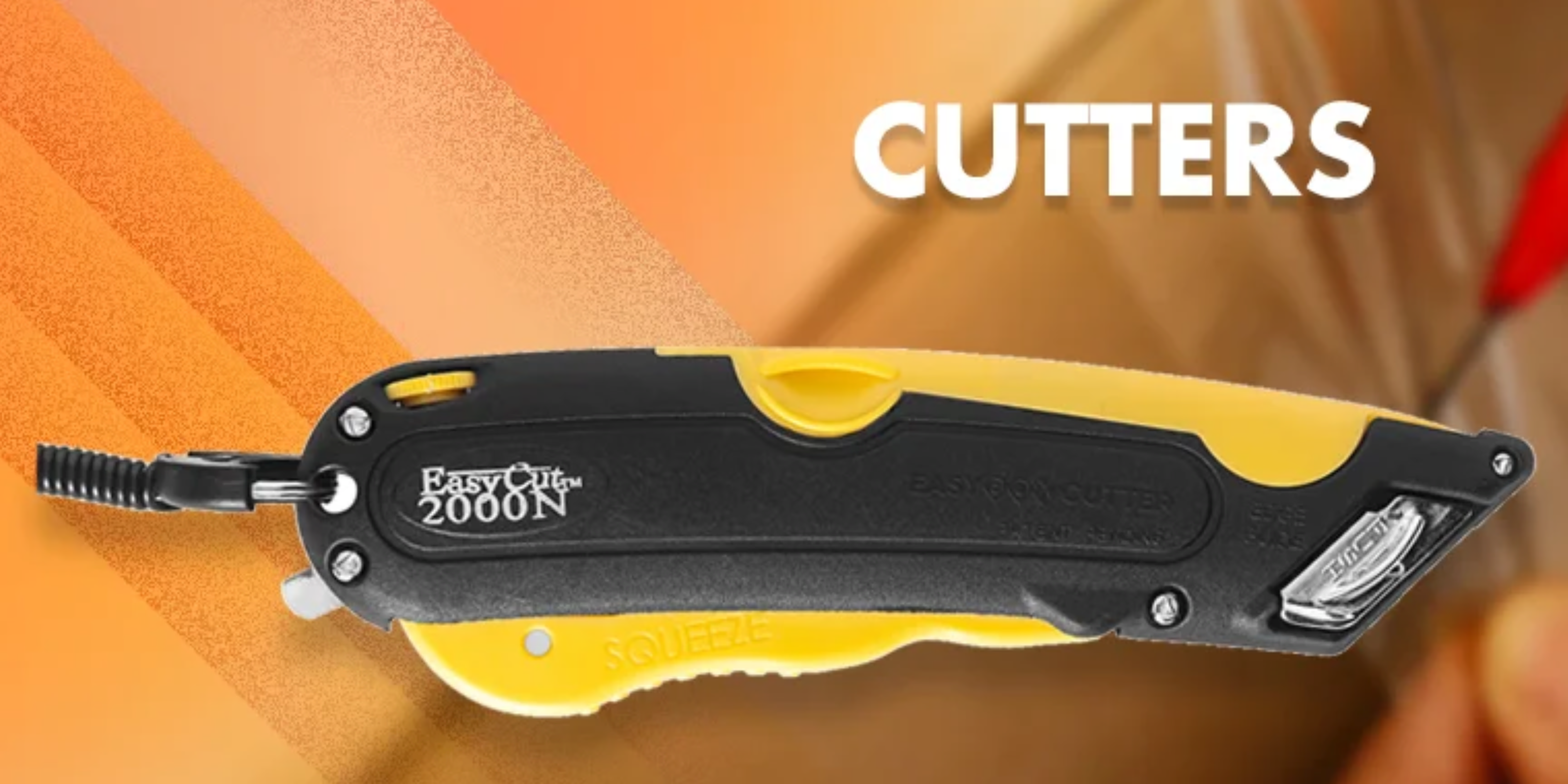
Easy Cut Product Selections
Determining which easy Cut Safety knife to use it quite simple. We simply ask about your current box cutting program and identify weaknesses and strengths to determine what your needs are. Safety, Ergonomics, product damage and productivity are areas that we focus and work backwards from there to eliminate obstacles.
Read More
Ⓒ Copyright 2026, ADCO Industries , All Rights Reserved.